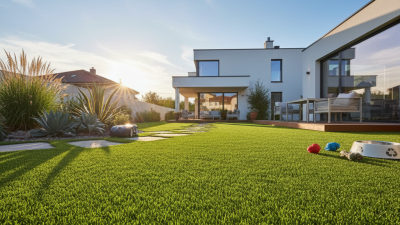
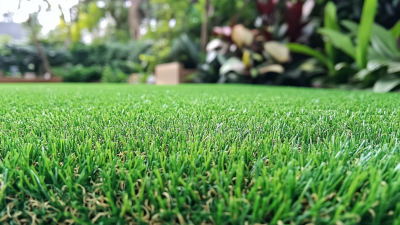
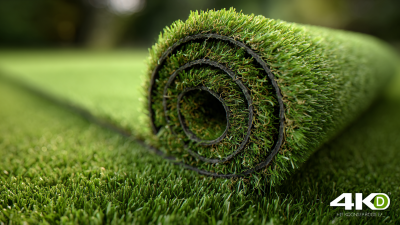
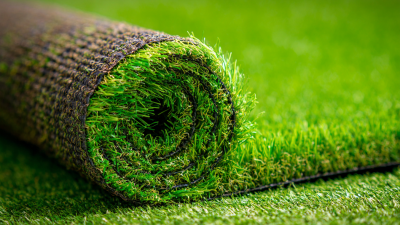
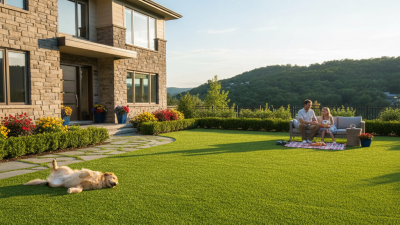
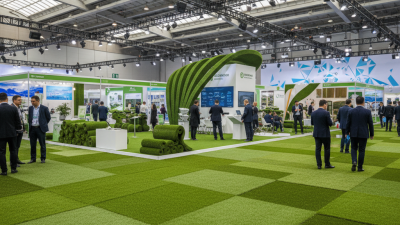
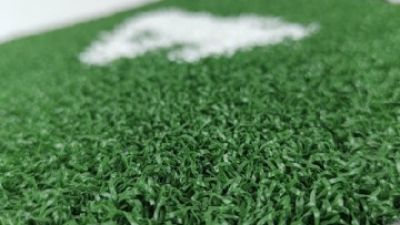
You’ve probably noticed that Artificial Grass has become pretty popular lately. According to a report from Markets and Markets, the global market for synthetic turf is expected to hit around $4.3 billion by 2026—that’s a big shift in how people are choosing to landscape their outdoor spaces. As cities get more crowded, folks are definitely leaning towards options that are durable and low-maintenance. Like John Smith, a well-known landscape design guy, puts it: artificial grass is a versatile alternative to real grass, and honestly, it’s pretty appealing.
But let’s be honest, picking the right type of artificial grass can be pretty confusing. There are so many options out there, and the quality can really vary. Some kinds look and feel just like natural grass, while others might come off a bit stiff or uninviting. It’s super important to think about how you plan to use it, whether it drains well, and even what the environmental impact might be. Experts often tell people to do their homework before buying, because not all fake grass is created equal.
Of course, there are still some concerns floating around. For instance, some argue that artificial grass might not be great for local ecosystems. And then there’s the price — you might find some options cost a lot, but that doesn’t always mean they’re better quality. So, it’s worth taking a step back and weighing these things carefully. In a world where sustainability matters more than ever, making an informed choice is key to getting it right.
Understanding Artificial Grass: Definition and Types
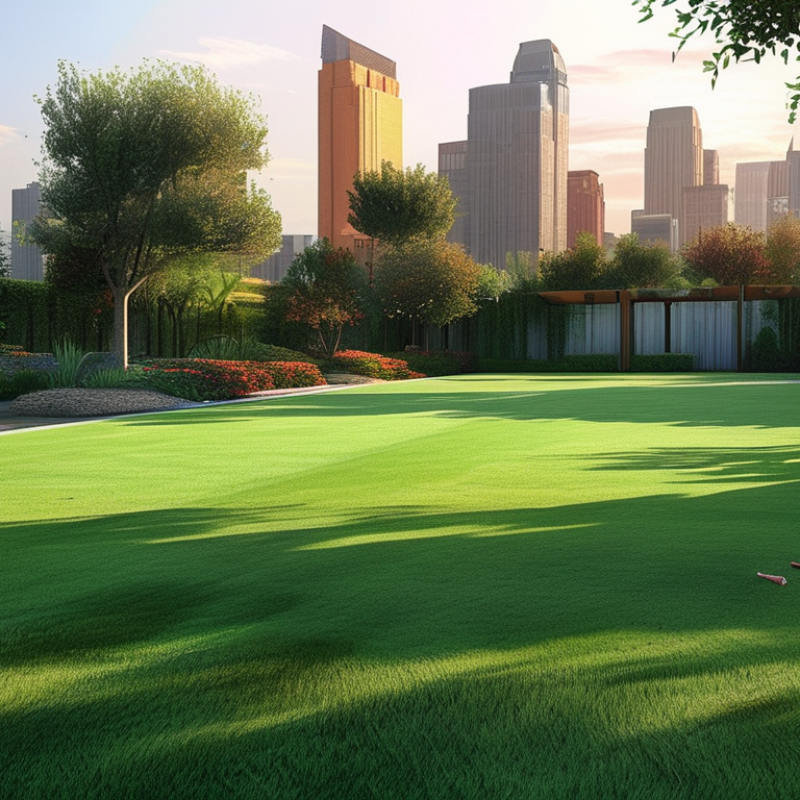
Artificial grass has become a popular choice for many outdoor and indoor spaces. It mimics the look of natural grass while providing consistent durability. Understanding the different types of artificial grass is crucial for making an informed choice. Broadly, there are two main categories: infill and non-infill products.
Infill artificial grass uses materials like rubber or sand to support the blades. This type is often found in sports fields due to its realistic feel. The texture can vary, with some options softer while others offer greater resistance to wear and tear. Non-infill options are simpler and often used in residential spaces. They require less maintenance but may not provide the same level of springiness underfoot.
Choosing the right Artificial Grass Rug involves considering your specific needs. Think about the area where you'll install it. Do you have pets? Some varieties resist staining and scratching better than others. Reflecting on your lifestyle can help you select what fits best. It's important to seek options that balance beauty and function. Don't hesitate to explore different samples before making a final decision.
Benefits of Using Artificial Grass in Various Applications
Artificial grass, or synthetic turf, is a popular choice for various applications due to its numerous benefits. One of the most significant advantages is its low maintenance requirement. According to a report by the Synthetic Turf Council, maintaining natural grass can cost up to $1,500 annually, while artificial grass can reduce these costs significantly over time. This makes it an appealing option for homeowners and businesses alike.
In addition to cost savings, artificial grass is highly durable. It can withstand heavy foot traffic and extreme weather conditions. Research states that turf typically lasts between 15 to 20 years. This longevity compensates for initial installation costs. Moreover, it does not require harmful pesticides or fertilizers, promoting an eco-friendlier environment. However, not all artificial grass is created equal. It’s vital to consider the quality and infill materials. Some lower-quality options may outgas and create unpleasant odors.
Another essential factor to think about is drainage. Poor drainage can lead to water pooling, which may influence aesthetics and usability. It is crucial to select synthetic options with effective drainage systems. The overall application purpose should drive the choice. For instance, fields used for athletic activities require specific features that might differ from residential installations. Reflecting on these aspects can aid in making a more informed decision about artificial grass.
Benefits of Using Artificial Grass in Various Applications
Key Factors to Consider When Choosing Artificial Grass
When choosing artificial grass, several key factors come into play. Look closely at the materials used in the grass. Quality synthetic fibers can withstand weather and heavy use. Pay attention to UV resistance; this feature ensures the grass retains its color under sunlight. Consider the pile height, too. Shorter blades may look neater, while longer ones feel softer.
Another important point is the drainage capability. Good drainage prevents water pooling and promotes healthier lawns. The backing material also matters. A durable backing supports longevity and stability. Additionally, think about the infill; it affects the grass’s look and feel. Some infills can cause concerns over safety and maintenance.
Finally, check for warranties and certifications. These documents often reflect the quality and reliability of the product. Knowing what to look for can help you avoid poor choices. Not all options may meet your needs, so reflect on your priorities. It can be challenging to balance aesthetics, functionality, and cost.
What is Artificial Grass and How to Choose the Best Option? - Key Factors to Consider When Choosing Artificial Grass
| Factor | Description | Importance |
| Material Quality | Consider the type of materials used, such as polyethylene, polypropylene, or nylon. | High |
| Blade Height | Choose based on the intended use; shorter for sports, taller for aesthetics. | Medium |
| Infill Material | Types of infill can affect durability, drainage, and feel underfoot. | High |
| UV Stability | Look for UV-resistant grass to maintain color and integrity in sunlight. | High |
| Warranty | Consider the length and coverage of the warranty as a measure of quality. | Medium |
| Cost | Evaluate initial costs vs. long-term maintenance costs. | High |
| Environmental Impact | Consider the sustainability of the materials and the impact on local ecology. | Medium |
Different Materials Used in Artificial Grass Manufacturing
When considering artificial grass, understanding the materials used in its manufacturing is crucial. Different materials offer unique benefits and drawbacks. Common materials include polyethylene, polypropylene, and nylon. Each type has its own texture and durability. Polyethylene is popular for its softness and realistic feel. It's great for residential lawns and pet areas.
Tips: Always consider the climate in your area. Some materials perform better in extreme conditions. For example, nylon can withstand heavy foot traffic but may feel harsher to the touch.
Another aspect to consider is the infill used in Artificial Turf Grass. Infill provides cushioning and helps to stabilize the grass fibers. Common infills include rubber, sand, and organic options. Each has distinct qualities. Rubber infill is durable and shock-absorbent. However, it can retain heat, leading to a hotter surface in sunny weather. On the other hand, sand is more cooling but may not provide the same level of support.
Tips: When choosing infill, weigh the pros and cons based on your usage needs. Is your lawn for play or aesthetics? Reflect on how essential it is to have a comfortable experience versus maintaining durability.
Comparing Cost and Durability of Various Artificial Grass Options
When choosing artificial grass options, cost and durability are crucial factors. The initial price often varies significantly based on the materials used. Lower-cost options may seem attractive, but they might not withstand heavy foot traffic or harsh weather. It’s easy to overlook longevity when tempted by a bargain.
Durability is equally important. Some Artificial Grass Carpets can last up to 15 years with proper care. On the other hand, cheaper varieties could fade or fray within a few seasons. A thorough examination of product specifications helps. Look for UV resistance and drainage capabilities, which can impact long-term performance.
In addition to price and durability, maintenance needs should not be ignored. Some products require regular brushing and occasional cleaning. Others are more forgiving and need less attention. Reflecting on these aspects may seem tedious, but it’s essential for a wise investment. Balancing cost, durability, and maintenancewill guide you to the best Artificial Grass Carpet for your needs.
Installation Process for Artificial Grass: Steps and Tips
When installing artificial grass, it’s critical to follow a systematic process. Begin by preparing the site. Remove any existing grass and debris. Level the soil to create a flat surface. According to a 2022 industry report, proper surface preparation can enhance drainage and prolong the lifespan of the artificial grass.
Next, install a weed barrier to prevent unwanted growth. This often overlooked step is essential for maintaining the integrity of your lawn. Afterward, spread a layer of crushed stone or gravel. This helps with water drainage and provides a solid foundation. The American Society of Landscape Architects notes that resilience in your base layer is key to avoiding future issues.
Secure the artificial grass by anchoring it with landscape staples. Trim the edges for a clean finish. Some people rush this part, but precision matters. A poorly finished edge can detract from the overall appearance. Always check for wrinkles or gaps after installation. While it may seem straightforward, attention to detail is what leads to a professional-looking result.
Maintenance Requirements for Artificial Grass to Ensure Longevity
Artificial grass is a popular choice for many homeowners. It looks good year-round and requires less maintenance than natural grass. However, maintaining it properly is crucial for its longevity. Regular cleaning helps keep the surface free of debris. Use a broom or leaf blower to remove leaves. For dirt and stains, a simple hose down can work wonders.
There are specific maintenance tips that can enhance the lifespan of your artificial grass. Consider using a mixture of water and mild soap for deeper cleanings. This can help retain the vibrant color of your Pu Backed Artificial Grass. Rinsing with water afterward ensures no residue remains. Also, investing in a good quality infill can stabilize the grass fibers and minimize wear.
Another important aspect is drainage. Ensure that your artificial lawn has proper drainage to avoid water pooling. Pooling can lead to mold and unpleasant odors. Regularly inspect the area for any signs of damage. Fixing small issues promptly can prevent bigger problems later. Emphasizing these maintenance practices will ensure your artificial grass remains a beautiful and functional part of your outdoor space for years to come.
Elevate Your Space with Turf Max: The Ultimate Guide to Customizable Artificial Grass Solutions
Elevating your space with customizable artificial grass solutions has never been more achievable than with innovative products designed for ultimate performance and functionality. The Turf Max collection stands out for its adaptability, catering to diverse training needs while enhancing the aesthetics of any environment. Crafted from high-quality PE material with KDK fiber, this artificial grass not only looks great but is engineered for rigorous use.
Among the Turf series, the Max Style is particularly noteworthy. Featuring a 150g PET backing fabric tightly tufted for durability, it is designed specifically for functional and conditioning training. The additional 5mm PU foam cushioning layer offers essential joint protection, making workouts safer and more comfortable. Its high strength support combined with softness and flexibility ensures that athletes can train effectively without compromising on safety or performance. Available in a myriad of colors and designs, the Max Style allows you to create a personalized training space that reflects your unique style while meeting your functional training needs.
FAQS
: Artificial grass is a synthetic surface that resembles natural grass. It can be used indoors and outdoors.
There are two main types: infill and non-infill products. Each serves different purposes and environments.
Infill grass uses materials like rubber or sand, providing realism and durability. It feels more like natural grass.
Non-infill options are simpler and require less care. However, they may lack the same springy feel.
It reduces maintenance costs significantly. Natural grass can cost up to $1,500 annually to maintain.
Most artificial grass lasts between 15 to 20 years, making it a long-term investment for users.
Look for varieties that resist staining and scratching. These options are better suited for pet owners.
Poor drainage can cause water pooling, affecting aesthetics and usability. Good drainage is essential.
Yes, some lower-quality options may outgas and create unpleasant smells, impacting your experience.
Reflect on your lifestyle and installation area. Test different samples to find the best fit for you.
Conclusion
Artificial grass is a synthetic alternative to natural grass, designed to mimic its appearance and feel while offering various benefits for different applications. Understanding the types of artificial grass, such as nylon, polyethylene, and polypropylene, is crucial when selecting the best option. Key factors to consider include durability, maintenance requirements, and overall cost, as well as the installation process which involves specific steps and tips to ensure proper setup.
The benefits of artificial grass extend to residential lawns, commercial spaces, sports fields, and playgrounds, providing a lush, green appearance year-round without the extensive maintenance natural grass requires. By comparing the cost and longevity of different materials, users can make informed decisions that align with their specific needs while enjoying the advantages of a low-maintenance, durable landscaping solution.